


GREAT SCOTT!
You Don’t Get A Second Take When Lighting Strikes
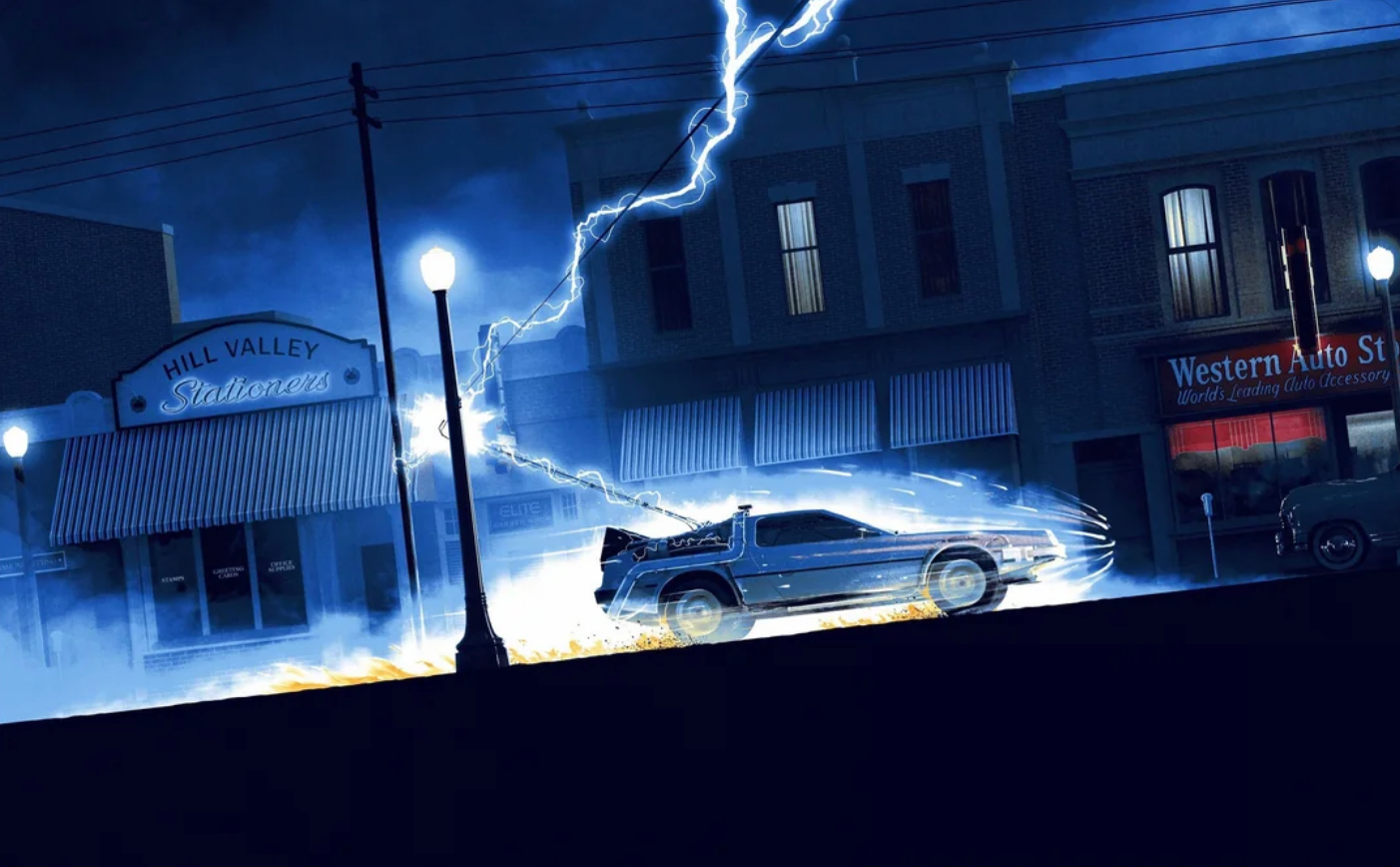
For film productions, the risk is amplified by the use of metal equipment, elevated rigs, cranes, generators, and extensive cabling. These elements can conduct electricity or become indirect pathways for ground current, exposing cast and crew to electrocution, burns, concussive force, fire, and equipment damage. Lightning can also strike the same object multiple times, increasing the vulnerability of tall or isolated set structures. Crews should never begin tasks that cannot be quickly shut down, as conditions can escalate faster than a safe response allows. Because of this, industry safety guidelines emphasize pre-planned response procedures, including clearly defined trigger distances, equipment shutdown protocols, and designated shelter locations before work begins.
Ultimately, the danger is not only the strike itself, but how quickly conditions become unsafe. Recognizing lightning as an immediate and invisible threat and responding according to established safety thresholds, is essential to enforcing proper shutdown protocols, grounding systems, and on-set precautions.
That’s where Guardian comes in. We believe safety shouldn’t slow production, it should be built into it. Our GFCI solutions are designed to integrate seamlessly into your workflow, across all industry-standard amperages, connectors, and form factors, making reliable shock protection both accessible and practical. While it’s important to note that GFCIs themselves do not protect against lightning strikes, they play a critical role in reducing electrical shock risk within your distribution system. Because when conditions change without warning, the right protection isn’t optional—it’s essential.
To continue building a safer set, we encourage all crew members above and below the line to review the resources below. These materials provide an in-depth understanding of lightning safety protocols and on-set best practices:
